
The Connection Between Vein Health and Overall Wellness
Why Vein Health Matters
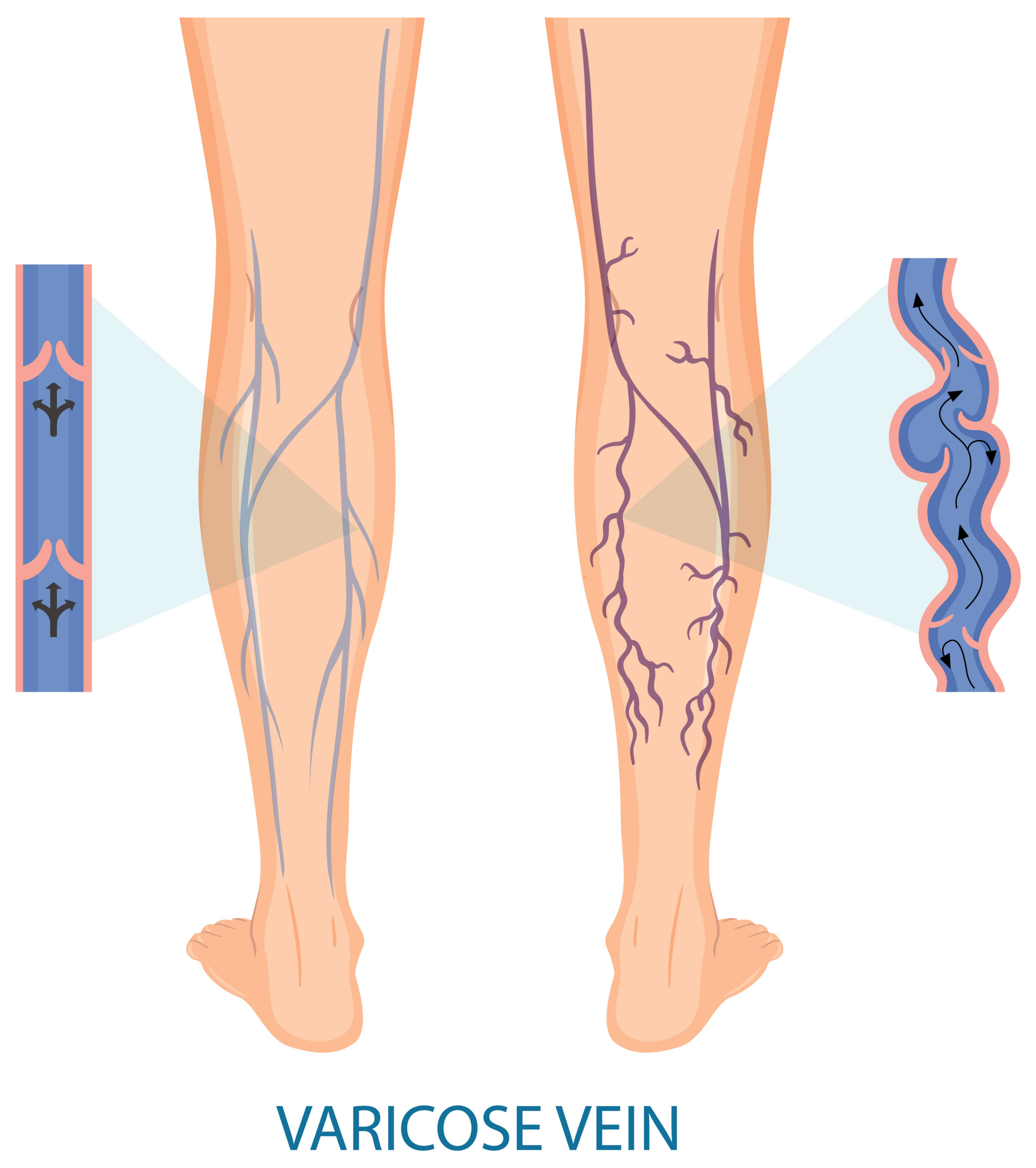
Your veins play a vital role in your circulatory system, carrying blood back to your heart. Poor vein health, such as conditions like varicose veins or chronic venous insufficiency, can affect your overall wellness, leading to discomfort and even systemic health issues. This article explores how vein health impacts your well-being and offers tips to keep your veins in top shape.
How Vein Health Affects Your Body
Healthy veins ensure proper blood flow, which is essential for:
- Oxygen Delivery: Veins transport deoxygenated blood back to the heart, where it’s reoxygenated, supporting energy levels and organ function.
- Reducing Inflammation: Poor vein function can lead to blood pooling, causing swelling and inflammation that may contribute to chronic pain.
- Preventing Complications: Untreated vein issues can result in serious conditions like deep vein thrombosis or venous ulcers, affecting mobility and quality of life.
When veins are compromised, you may experience symptoms like leg pain, fatigue, or swelling, which can limit your daily activities and overall vitality.
Vein Health and Lifestyle Factors
Several lifestyle factors influence vein health:
- Physical Activity: Regular exercise, such as walking or yoga, promotes blood circulation and strengthens vein walls.
- Diet: A diet rich in fiber, antioxidants, and low in sodium helps maintain healthy blood vessels and prevents fluid retention.
- Weight Management: Excess weight increases pressure on veins, raising the risk of varicose veins or CVI.
- Hydration: Staying hydrated supports blood flow and prevents blood from thickening, which can strain veins.
Adopting these habits can significantly improve your vein health and overall wellness.
Common Vein Conditions and Their Impact
- Varicose Veins: These bulging veins can cause discomfort, heaviness, and self-consciousness, affecting mental and physical well-being.
- Chronic Venous Insufficiency: Leads to swelling, skin changes, and potential ulcers, limiting mobility and increasing infection risk.
- Spider Veins: While often cosmetic, they can signal underlying vein issues that may worsen without attention.
Addressing these conditions early with a vein specialist can prevent long-term health consequences.
Why Vein Health Matters
Vein health is a key component of overall wellness, influencing energy levels, mobility, and even mental health. Chronic venous insufficiency, in particular, leads to more lost workdays than any other disease, impacting productivity and quality of life. By prioritizing vein care, you can enhance your well-being and prevent complications that disrupt your daily routine.
Tips for Maintaining Healthy Veins
Incorporate these habits into your routine:
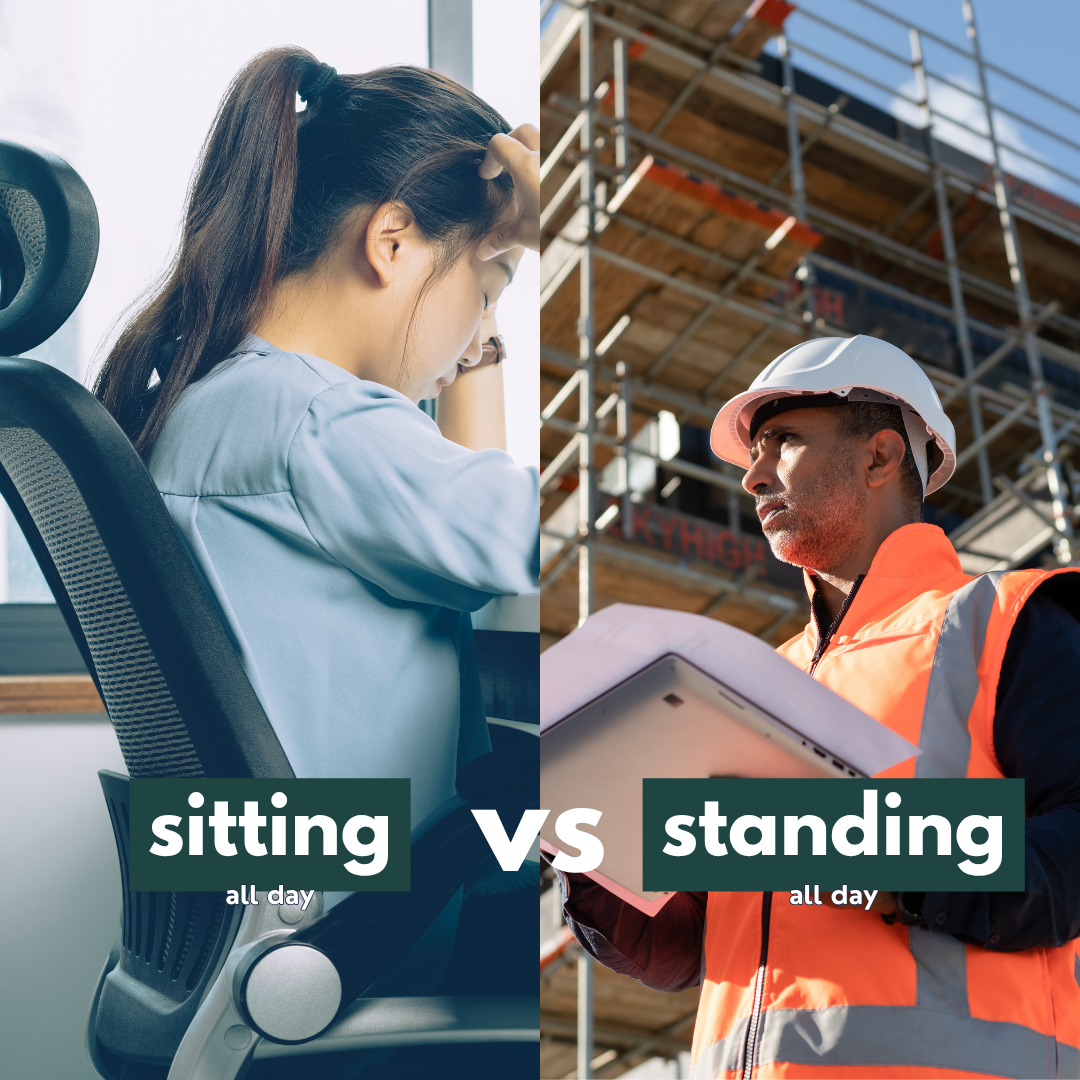
- Wear compression stockings to support blood flow, especially if you stand or sit for long periods.
- Elevate your legs for 15–20 minutes daily to reduce pressure on veins.
- Avoid crossing your legs for extended periods, as it can restrict blood flow.
- Stay active with low-impact exercises like swimming or cycling.
- Schedule regular check-ups with a vascular specialist, especially if you have a family history of vein issues.
Take the first step toward better vein health. Consult Dr. Kronson at the Kronson Vein Institute to assess your veins and create a personalized wellness plan.