
Learn how to tell if your leg pain is caused by vein problems or other conditions, and when to see a vein specialist.
Leg pain is a common complaint that can stem from many causes—muscle strain, joint problems, nerve issues, or circulation problems. For many patients, one key concern is whether leg pain could signal an underlying vein condition like varicose veins or chronic venous insufficiency (CVI).
Understanding the difference can help you seek the right treatment early and avoid unnecessary complications.
How Vein-Related Leg Pain Feels
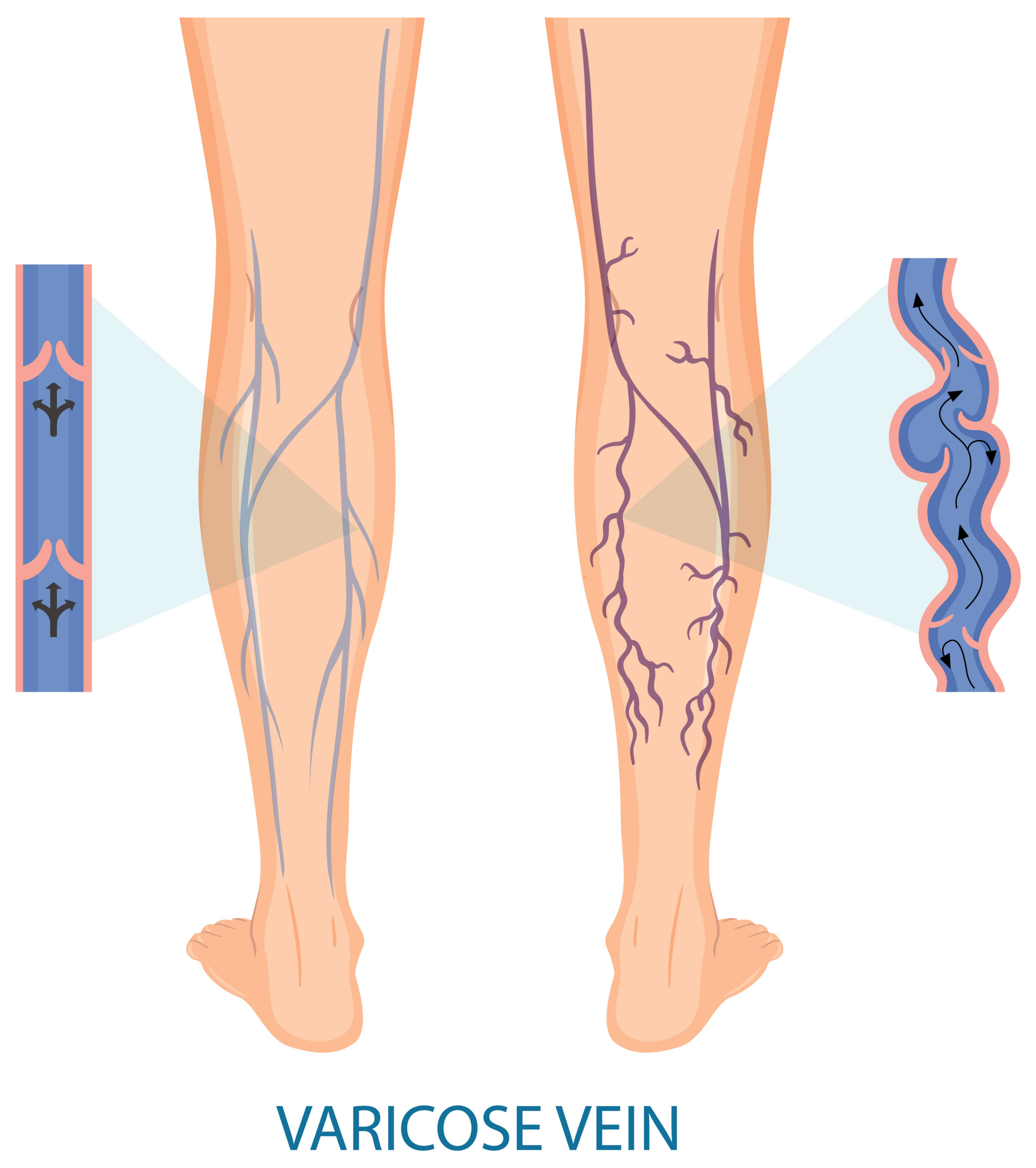
Vein-related leg pain is often achy, heavy, or throbbing rather than sharp or stabbing. It typically worsens after long periods of standing or sitting and improves when the legs are elevated.
Other signs that suggest a vein issue include:
- Visible bulging veins
- Swelling in the lower legs or ankles
- Skin discoloration or irritation near the veins
- A feeling of heaviness at the end of the day
Unlike muscle or joint pain, vein-related discomfort often follows the vein pattern and improves with movement or elevation.
For more on this, see our guide on Spider Veins vs. Varicose Veins: What’s the Difference and When to Worry?
Muscle or Joint Pain vs Vein Pain
Not all leg pain is vascular. Here’s how to distinguish:
Muscle or joint pain:
- Sharp, localized, or cramp-like
- Often occurs during or after exercise
- Improves with rest or stretching
Vein pain:
- Aching, heavy, or throbbing
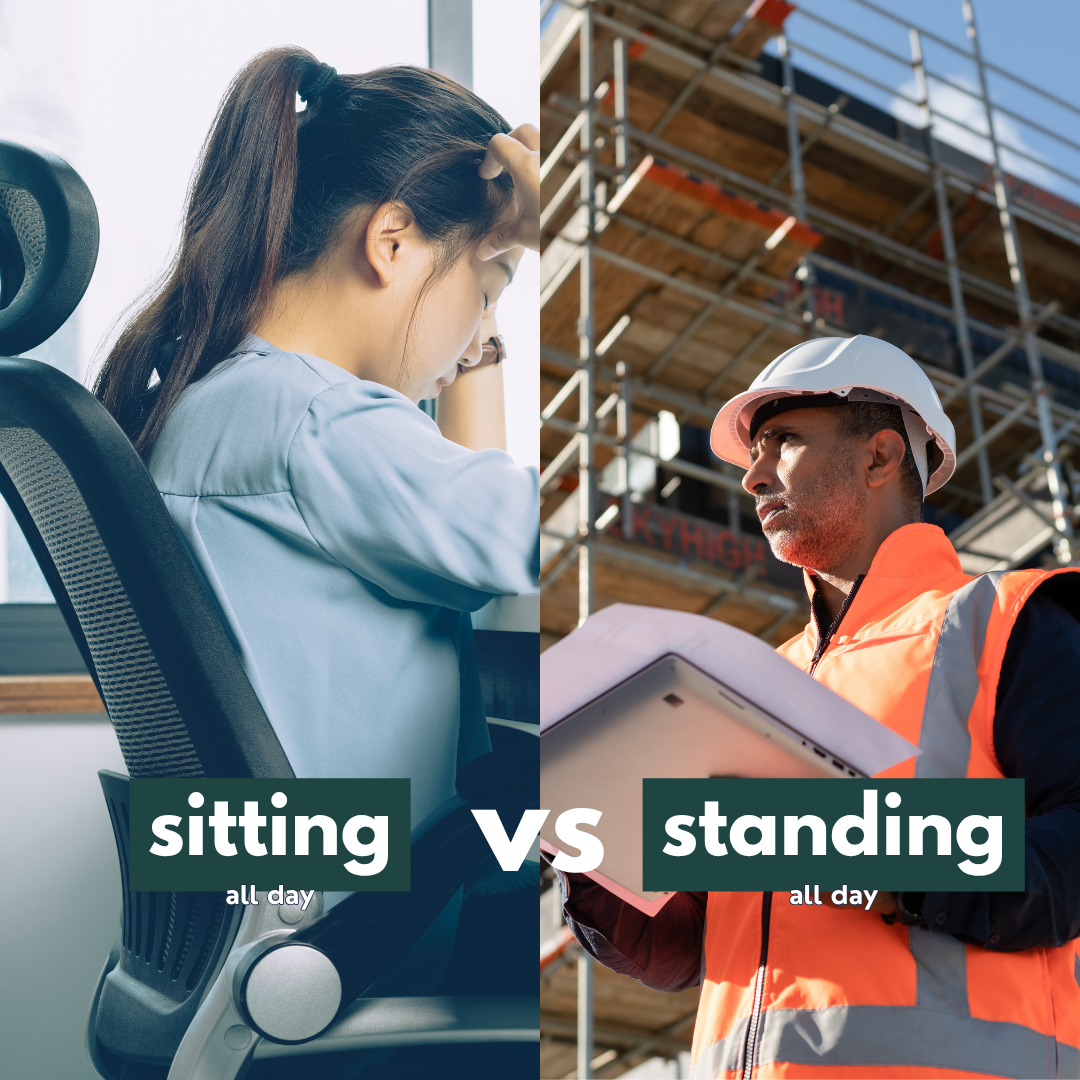
- Worsens with prolonged standing or sitting
- Associated with visible vein changes, swelling, or skin discoloration
This distinction is critical because vein problems require a different approach than orthopedic or musculoskeletal issues.
Risk Factors That Make Vein Pain More Likely
Some patients are at higher risk for vein-related leg pain, including:
- Family history of varicose veins or CVI
- Pregnancy or hormonal changes
- Sedentary work or prolonged standing
- Obesity or limited mobility
- Previous blood clots (DVT)
If you have one or more risk factors and are experiencing leg discomfort, it’s a strong indication to get a vein evaluation.
When to See a Vein Specialist
You should consult a board-certified vascular specialist if you notice:
- Persistent aching or heaviness in your legs
- Swelling that worsens throughout the day
- Skin changes such as discoloration or ulcers
- Bulging veins that cause pain or discomfort
Early evaluation can prevent progression to chronic venous insufficiency (CVI) and allow for minimally invasive treatment options.
For more information, check The Role of Vein Specialists in Treating Chronic Venous Insufficiency.
Take Action Early for Better Outcomes
Leg pain can be caused by many factors, but when veins are involved, early intervention is key. Modern treatments such as sclerotherapy, endovenous laser therapy (EVLT), radiofrequency ablation, and microphlebectomy are highly effective and minimally invasive.
Don’t wait until the discomfort becomes severe. Schedule a consultation with Dr. Kronson at the Kronson Vein Institute to identify the cause of your leg pain and create a personalized treatment plan that restores comfort and circulation.