Stress is often associated with mental health, heart disease, or high blood pressure—but its effects don’t stop there. Chronic stress can also impact your veins and circulation, potentially contributing to symptoms such as leg pain, swelling, and worsening vein disease.
Understanding the connection between stress and vascular health can help you take a more proactive, whole-body approach to caring for your veins.
How Stress Affects the Body
When the body experiences stress, it releases hormones like cortisol and adrenaline. These hormones trigger the “fight or flight” response, increasing heart rate, blood pressure, and muscle tension. While this response is helpful in short bursts, prolonged stress keeps the body in a heightened state—placing strain on blood vessels over time.
Chronic stress can cause blood vessels to constrict, slow circulation, and increase pressure within the veins, particularly in the legs.
The Link Between Stress and Vein Health
Veins rely on healthy circulation and functioning valves to return blood back to the heart. When stress interferes with blood flow, it can contribute to problems such as:
Increased venous pressure
Poor circulation in the legs
Inflammation of vein walls
Worsening symptoms of varicose veins
Over time, these effects may aggravate underlying vein conditions, especially in individuals already at risk for chronic venous insufficiency.
Stress, Inflammation, and Circulation
Chronic stress is closely linked to low-grade inflammation throughout the body. Inflammation can weaken vein walls and damage the tiny valves that prevent blood from flowing backward.
When valves fail, blood pools in the veins, leading to swelling, discomfort, skin changes, and visible varicose veins. This inflammatory cycle may explain why some patients notice their vein symptoms worsen during prolonged periods of emotional or physical stress.
Can Stress Cause Varicose Veins?
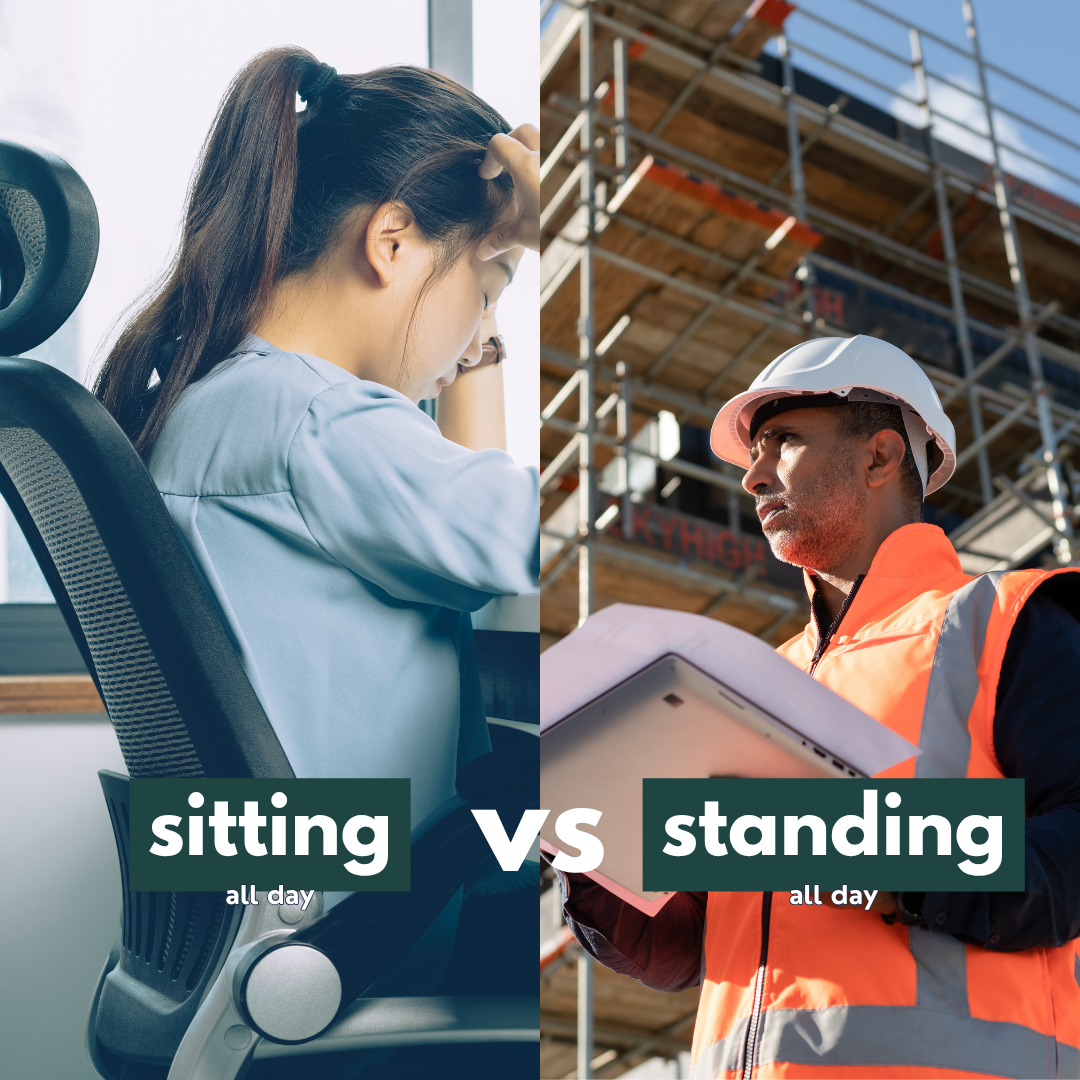
Stress alone does not directly cause varicose veins, but it can contribute to their development or progression. When combined with other risk factors—such as genetics, pregnancy, prolonged standing, or a sedentary lifestyle—chronic stress may accelerate vein dysfunction and symptom severity.
Stress can also lead to unhealthy coping habits, including reduced physical activity, poor sleep, and weight gain, all of which negatively impact circulation.
Mental Health and Chronic Vein Symptoms
Living with vein disease can also affect emotional well-being. Ongoing leg pain, swelling, or visible veins may lead to frustration, anxiety, or reduced confidence—creating a cycle where stress worsens symptoms and symptoms increase stress.
Addressing both physical vein health and mental well-being is an important part of long-term symptom relief and overall quality of life.
Stress-Reduction Habits That Support Vein Health
Managing stress doesn’t just benefit your mind—it can also support healthier circulation. Helpful strategies include:
Daily walking or low-impact exercise to promote blood flow
Deep breathing, meditation, or mindfulness practices
Elevating the legs during rest to reduce venous pressure
Prioritizing sleep and hydration
Maintaining a healthy weight
These habits can improve circulation, reduce inflammation, and support vein function over time.
When to Seek a Vein Evaluation
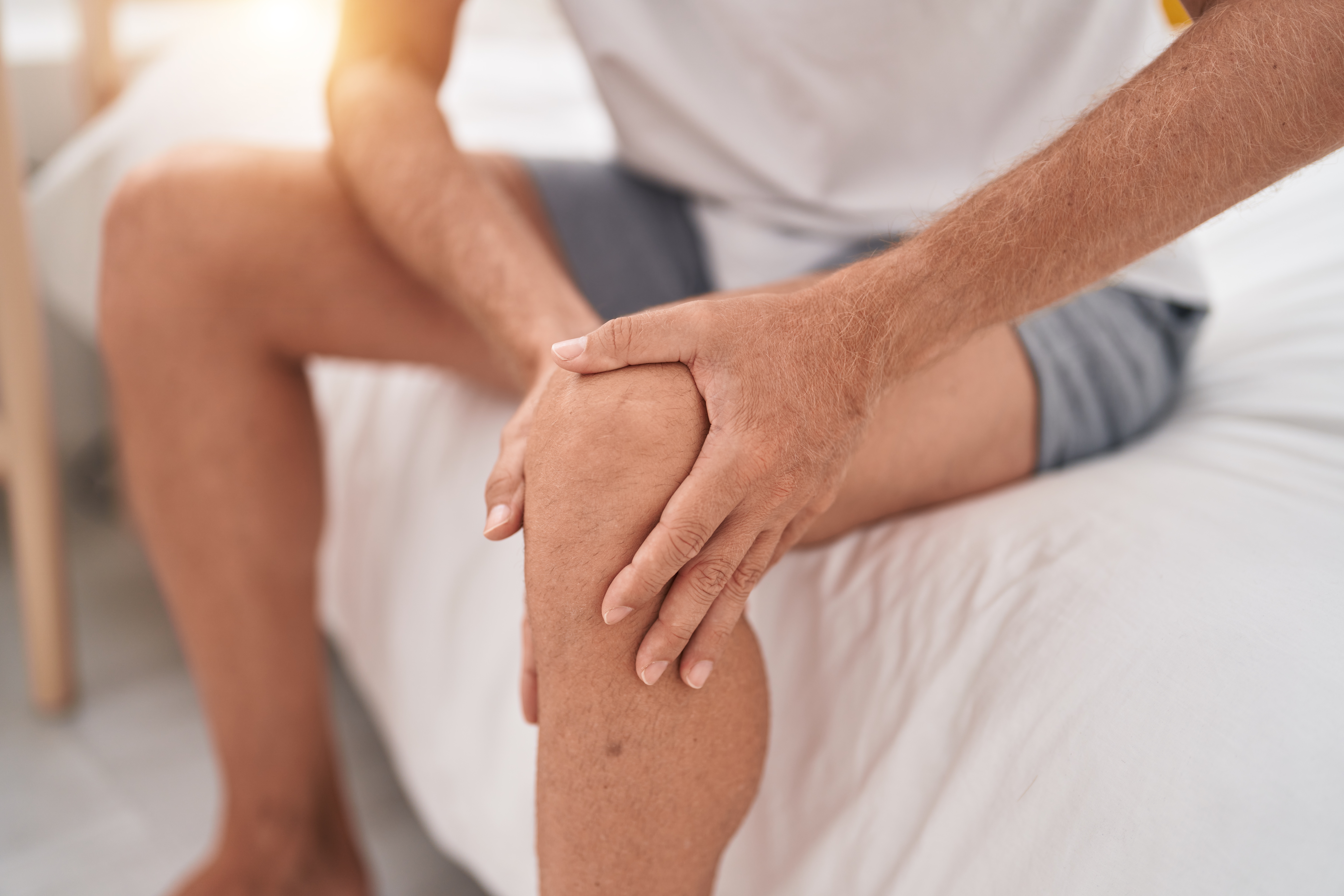
If you experience persistent leg heaviness, swelling, aching, or visible veins that worsen during stressful periods, it may be time for a professional evaluation. Stress may be amplifying symptoms of an underlying circulation issue that requires medical attention.
Early diagnosis allows for more effective, minimally invasive treatment options and helps prevent progression.
Take a Holistic Approach to Your Vein Health
Stress affects more than just your mental state—it plays a meaningful role in your vascular health. Understanding this connection empowers you to take a proactive, whole-body approach to caring for your veins.
If stress and leg symptoms are interfering with your daily life, a comprehensive vein evaluation can provide clarity and peace of mind. Schedule a consultation with Dr. Kronson at the Kronson Vein Institute to assess your circulation, address vein-related symptoms, and take the next step toward improved comfort and long-term vascular health.