Sitting or standing all day? Learn how both affect circulation, vein health, and what you can do to prevent vein problems.
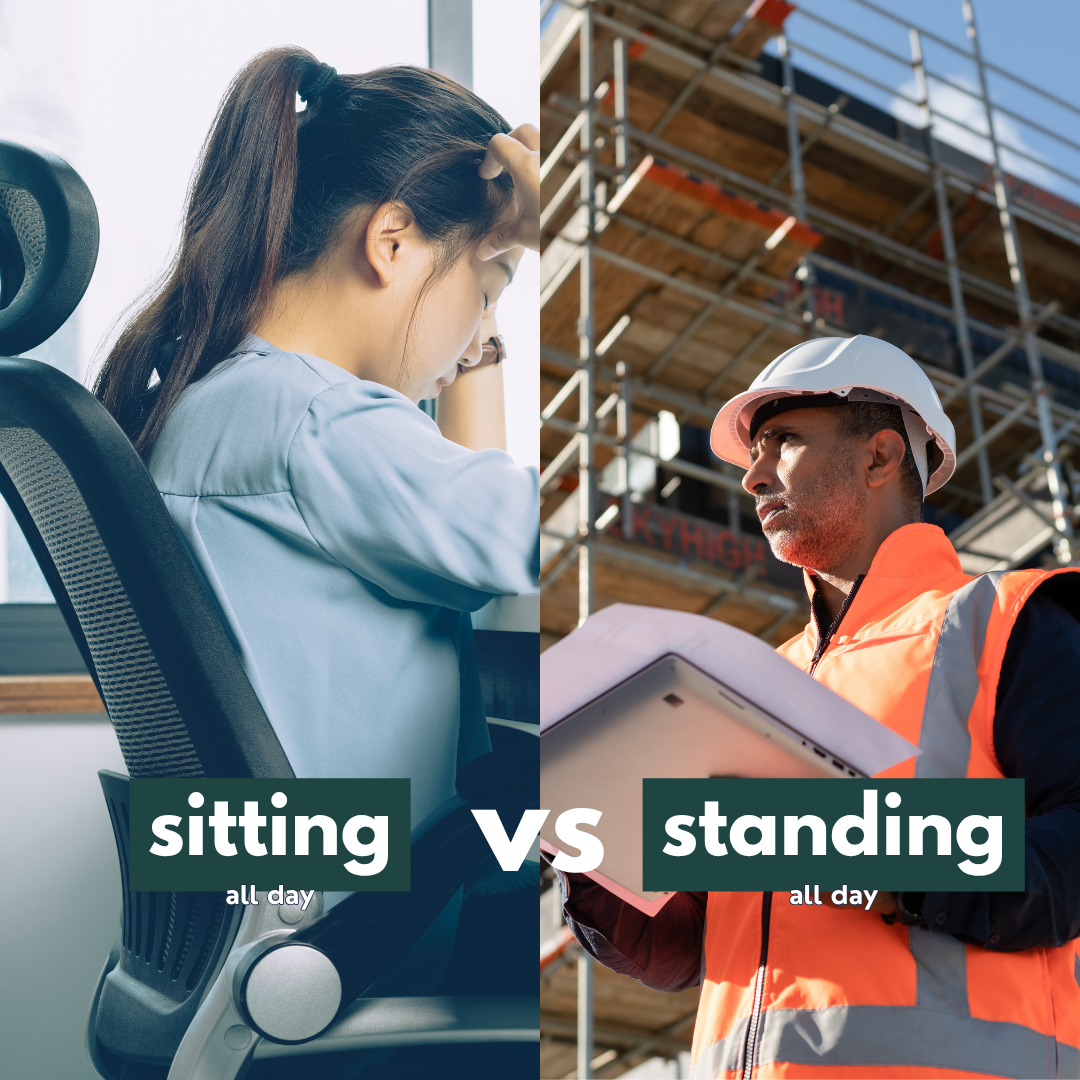
If your job keeps you sitting at a desk for hours—or standing on your feet all day—you might have wondered: which one is actually worse for your veins?
The truth is, neither is ideal. Both prolonged sitting and prolonged standing can affect circulation in different ways, increasing your risk for vein-related symptoms over time.
Understanding how each impacts your body can help you take the right steps to protect your vein health.
How Sitting All Day Affects Circulation
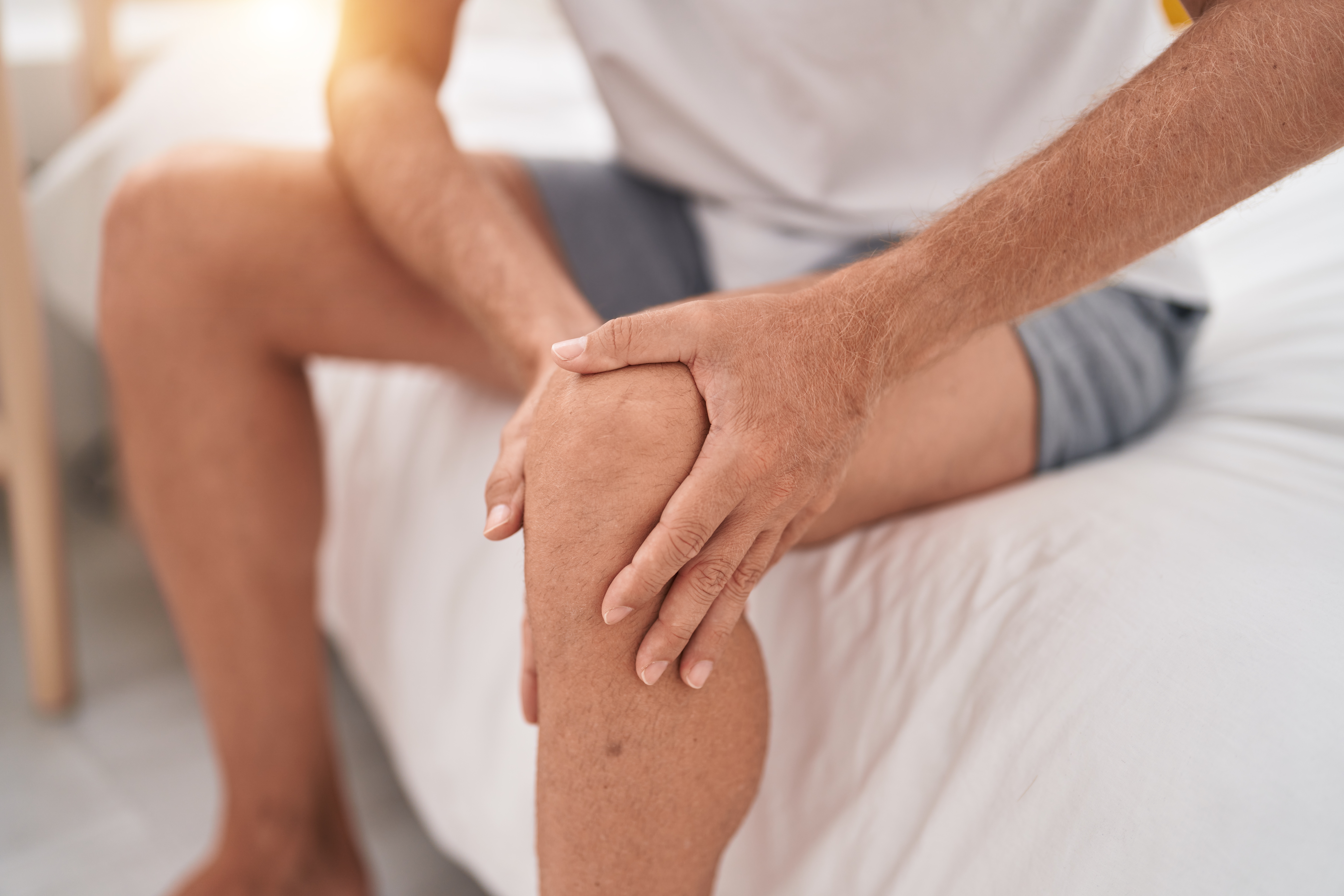
When you sit for extended periods, especially without movement, blood flow in the legs slows down. Your calf muscles—which normally help push blood back toward the heart—remain inactive, allowing blood to pool in the lower legs.
Over time, this can lead to:
- Leg heaviness or fatigue
- Swelling in the ankles
- Increased pressure in the veins
- Higher risk of developing varicose veins
If you’ve experienced this sensation before, you may also relate to the symptoms discussed in our guide on Why Do My Legs Feel Heavy at the End of the Day?, where circulation issues are a common cause.
How Standing All Day Impacts Vein Pressure
Standing for long hours may seem more active than sitting, but it also places continuous pressure on your veins—especially in the legs.
Without regular movement, gravity causes blood to collect in the lower extremities, increasing strain on vein walls and valves.
This can lead to:
- Aching or throbbing legs
- Visible varicose veins over time
- Swelling and discomfort
- Increased risk of chronic venous insufficiency
For a deeper look into how vein conditions develop, you can explore What Causes Varicose Veins? A Closer Look at This Common Condition.
So, Which Is Worse?
It’s not about one being worse than the other—it’s about duration and lack of movement.
Both sitting and standing become problematic when your body stays in one position for too long. In either case, circulation slows, pressure builds, and your veins have to work harder to move blood efficiently.
This is why people in both sedentary jobs and standing professions—like office workers, nurses, and retail employees—can experience similar vein symptoms.
What Actually Protects Your Veins
The key to healthy circulation isn’t choosing between sitting or standing—it’s keeping your body moving throughout the day.
Simple habits can make a significant difference:
- Take short walking breaks every 30–60 minutes
- Shift your weight and stretch if standing for long periods
- Elevate your legs after work to reduce pressure
- Stay active with regular, low-impact exercise
- Consider compression stockings if recommended
You can find more practical strategies in How to Improve Circulation in Your Legs: Easy Tips for Better Blood Flow, which outlines daily habits that support long-term vein health.
Take the Next Step Toward Healthier Circulation
Whether you spend your day sitting, standing, or a mix of both, your vein health depends on how well your circulation is supported over time.
If you’re noticing leg heaviness, swelling, or visible veins, it may be more than just a long day—it could be an early sign of a vein condition.
Schedule a consultation with Dr. Kronson at the Kronson Vein Institute to evaluate your symptoms, identify any underlying circulation issues, and create a personalized plan to keep your veins healthy and functioning at their best.