
Are varicose veins hereditary? Learn how genetics influence vein health, your risk factors, and how to prevent vein disease early.
If someone in your family has varicose veins, it’s natural to wonder: am I going to get them too?
Varicose veins are one of the most common vascular conditions, and many patients notice a pattern within their family. While genetics do play a role, having a family history does not guarantee you will develop vein disease.
Understanding how genetics influence vein health—and what you can do about it—can help you take control early and reduce your risk over time.
How Genetics Affect Vein Health
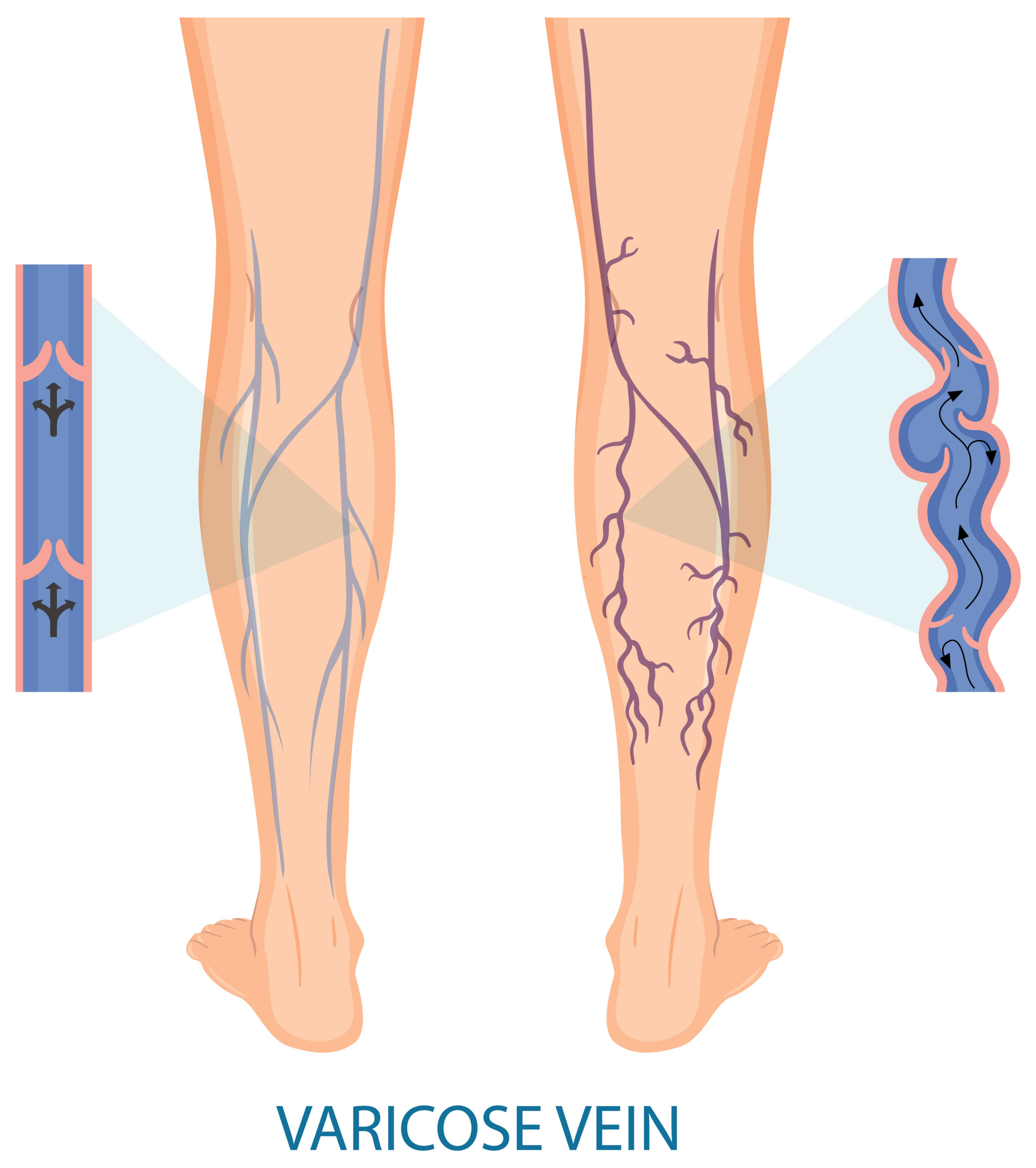
Your veins rely on small, one-way valves that keep blood flowing upward toward the heart. When these valves weaken or fail, blood can pool in the veins, leading to enlargement and the visible signs of varicose veins.
Genetics can influence:
- The strength of your vein walls
- The function of vein valves
- Your overall circulation efficiency
If these traits are inherited, you may be more prone to developing varicose veins—especially in the legs, where pressure is highest.
If you want a deeper understanding of how varicose veins form, you can explore our guide on Understanding Varicose Veins: Causes, Symptoms, and Treatments.
How Much Does Family History Really Matter?
Family history is one of the strongest risk factors for varicose veins. Studies have shown that:
- If one parent has varicose veins, your risk increases
- If both parents are affected, your risk is significantly higher
However, genetics is only one part of the picture.
Lifestyle, daily habits, and other health factors often determine whether those genetic tendencies actually develop into visible vein disease.
What to Watch for If It Runs in Your Family
If varicose veins are common in your family, it’s important to pay attention to early warning signs—before they progress.
Common early symptoms include:
- A feeling of heaviness or fatigue in the legs
- Mild swelling around the ankles
- Aching or throbbing discomfort after long days
- Visible spider veins or small bulging veins
These symptoms may seem minor at first, but they can signal underlying circulation issues.
If you’re unsure whether your symptoms are vein-related, our article on Are Varicose Veins Dangerous? Uncovering the Hidden Risks and What You Need to Know explains when vein issues require medical attention.
Genetics vs Lifestyle: What You Can Control
While you can’t change your genetics, you can influence how your veins function over time.
In many cases, lifestyle plays a major role in either slowing down or accelerating the development of varicose veins.
Key factors that impact vein health include:
- Activity level: Regular movement helps improve circulation
- Occupation: Jobs that require prolonged sitting or standing increase pressure on veins
- Weight management: Excess weight adds strain to the venous system
- Hormonal changes: Pregnancy and hormonal shifts can affect vein function
This is why two people with similar genetics may have very different outcomes.
How to Reduce Your Risk (Even If It’s Genetic)
If you have a family history of varicose veins, prevention should start early. Simple daily habits can make a significant difference in maintaining healthy circulation.
Helpful strategies include:
- Staying active with walking or low-impact exercise
- Taking breaks from long periods of sitting or standing
- Elevating your legs to reduce venous pressure
- Wearing compression stockings if recommended
- Maintaining a healthy weight
You can also explore additional lifestyle tips in our guide on How to Improve Circulation in Your Legs: Easy Tips for Better Blood Flow.
Why Early Awareness Matters
One of the biggest advantages of knowing your family history is early awareness.
When vein conditions are identified early, they are often easier to manage and treat with minimally invasive options. Waiting until symptoms become severe can lead to more complex issues, including chronic venous insufficiency.
Preventive care and early evaluation can help you avoid long-term complications and maintain better overall vein health.
Take Control of Your Vein Health—No Matter Your Genetics
Genetics may increase your risk of varicose veins, but they don’t determine your outcome. With the right knowledge and proactive care, you can protect your circulation and reduce the likelihood of developing more serious vein conditions.
If varicose veins run in your family—or if you’ve started noticing early symptoms—it may be time for a professional evaluation.
Schedule a consultation with Dr. Kronson at the Kronson Vein Institute to assess your vein health, understand your personal risk factors, and create a proactive plan to support long-term circulation and overall well-being.